Transparency builds trust
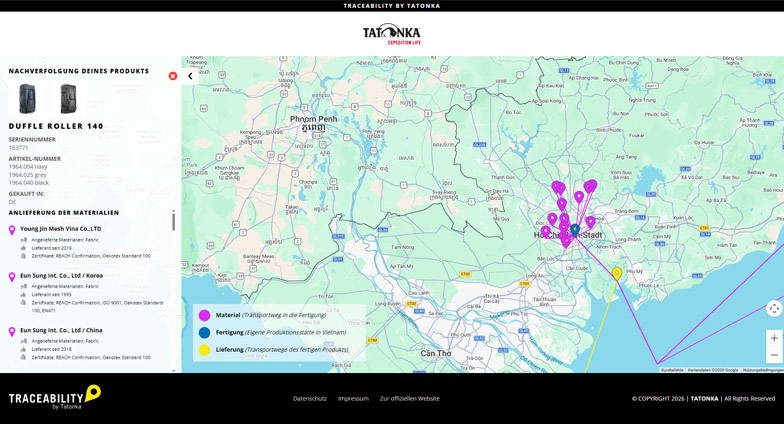
By disclosing our supply chain, we are taking the next step toward making the production of Tatonka products as transparent as possible. On our website Traceability by Tatonka you can trace the journey of a purchased Tatonka product from the sourcing of materials through production to shipment to its destination country.
In-House Manufacturing is The Key
Because we operate our own manufacturing facilities, we have access to all information related to the production process. From material procurement to transportation, we collect and manage all data ourselves and use it to provide a clear overview of the supply chain for every Tatonka product. All Tatonka products manufactured since 2016 are available for review.
Resource Conservation and CO₂ Reduction Through Efficient Management
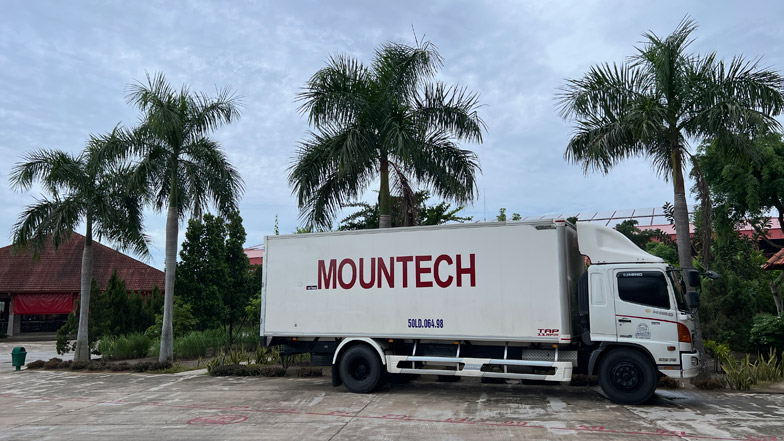
We handle every step of the process—from material procurement and manufacturing to the transport of finished products—in-house, allowing us to manage them directly. This enables us to consolidate many transport routes throughout the supply chain. As a result, we can reduce resource consumption and lower CO₂ emissions.
How the Traceability Website Works
After entering the serial/batch number found on the product’s sewn-in label, the Traceability website displays a world map with a detailed index. It shows which suppliers provided the materials used and what sustainability certifications the manufacturers hold. The supplier’s address is disclosed, as is the start date of the business relationship. The map then shows the route and mode of transport used to ship the materials to the Tatonka factory in Vietnam. Manufacturing takes place at the Tatonka Mountech factory, after which the finished product begins its journey to its destination—a journey that is traceable at every stage—with the transport route and mode of transport again clearly indicated.
The 7 Pillars
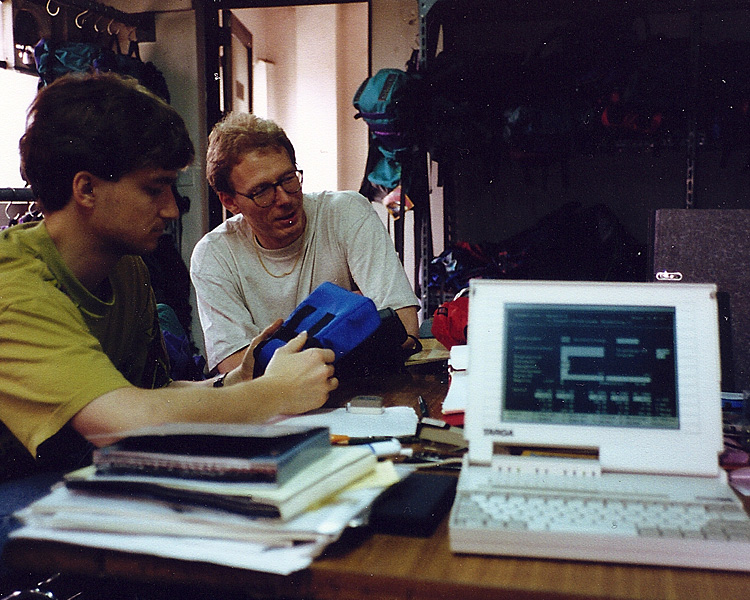
The Production Planning Software (PPS), which we have developed ourselves since 1995, provides essential support for all processes and is perfectly tailored to all the needs of our own production as well as the import of materials and the export of finished products.
 collection” />
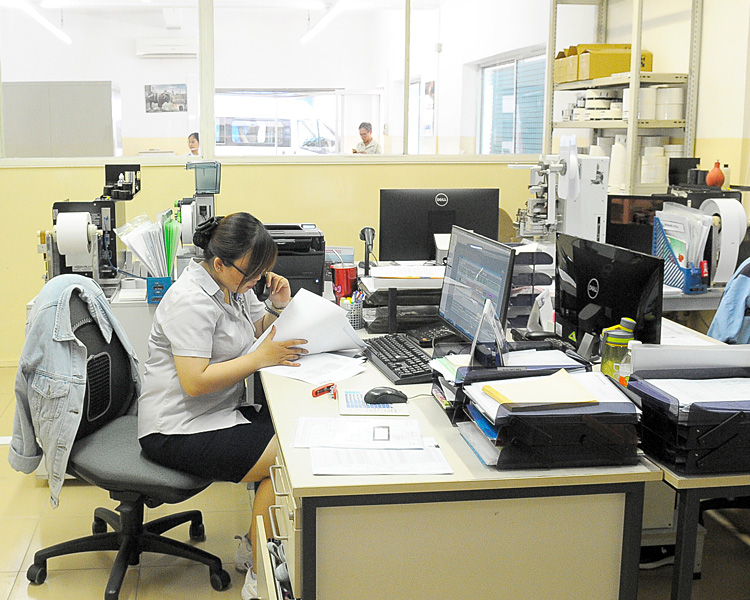
We collect the information on all processes ourselves and compile it in a large database. The data is continuously updated as part of the manufacturing processes and is the basis for our successful quality management.
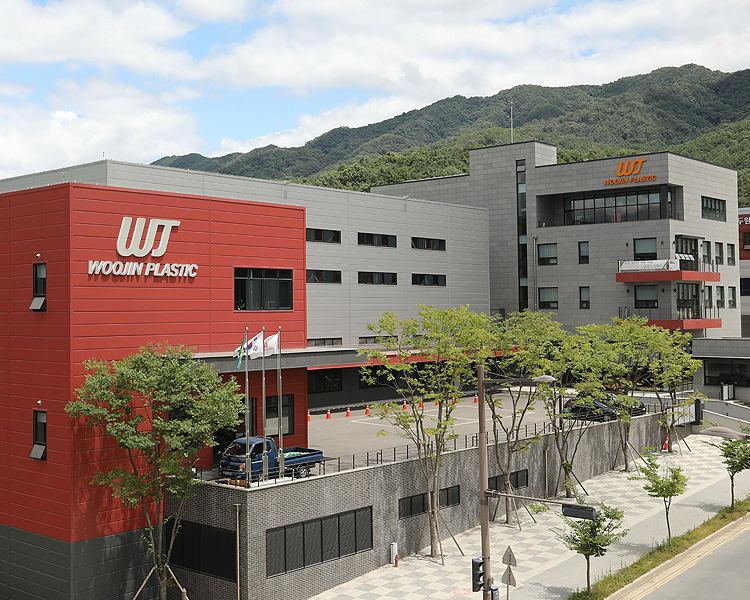
We decide from which suppliers we purchase the materials for our products. We have been working with many of our upstream suppliers for decades and are continuously developing more sustainable and environmentally friendly products together with them. Our suppliers have their own certifications for their operations.
 audits” />
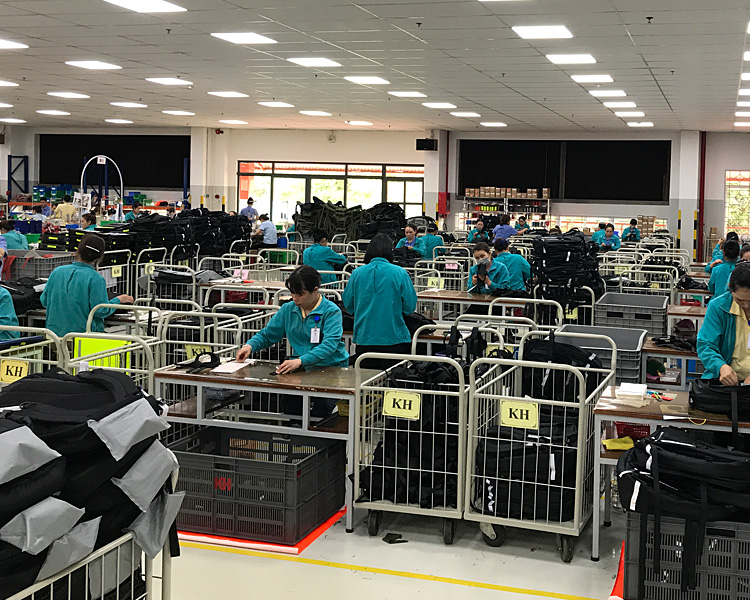
We also manage our suppliers’ ongoing quality audits by production and delivery batch in our database. This allows us to ensure that only materials of assured quality enter production.
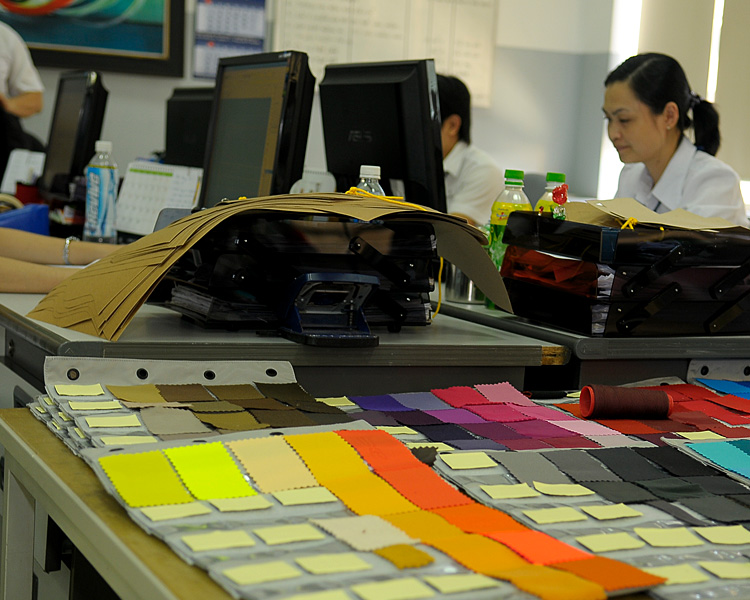
As early as the purchasing stage, deliveries from various material manufacturers are consolidated and delivered together in a container to our central material warehouse at our production site. This saves transport costs and emissions right from the time of delivery.
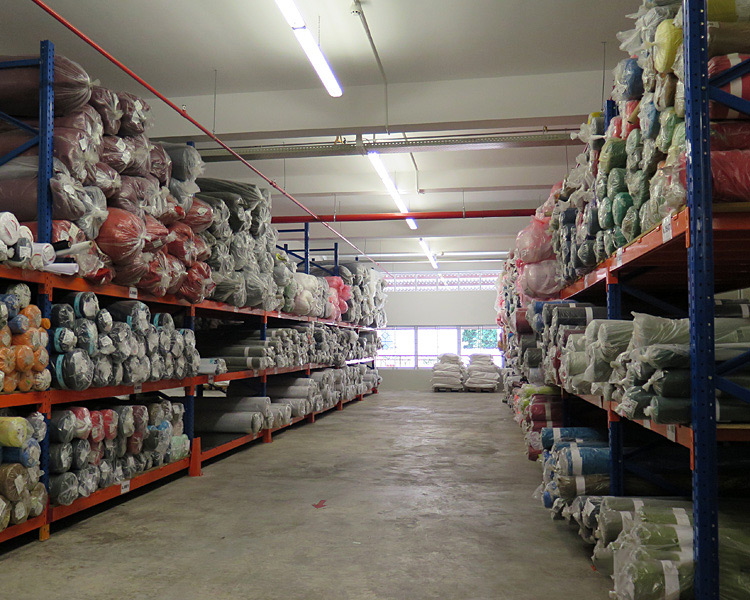 material use” />
For many different products in our range, we use the same materials from our central warehouse at our production site in Vietnam. This means low transportation costs and efficient use of materials for a large variety of products.
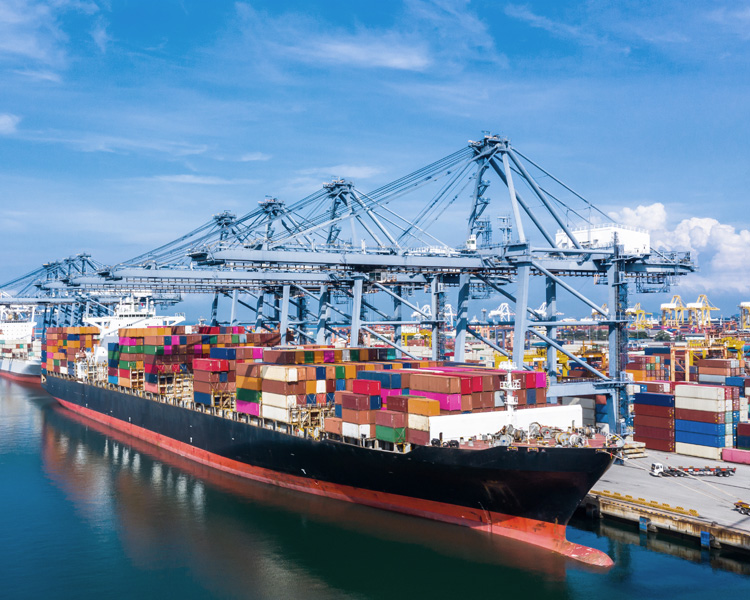
The stocking of two manufacturing facilities for all Tatonka products from one central warehouse as well as a central export of all manufactured products in one container (no matter if backpack, tent, clothing or stainless steel tableware) avoid and/or reduce many transport routes and thus lower resource consumption and CO² emissions.